Aviation Switching Module – NSN 4920-01-250-2696 (AS-IS / Untested): Specialized Aircraft Test and Control Hardware
Aviation Switching Module – NSN 4920-01-250-2696 (AS-IS / Untested): Specialized Aircraft Test and Control Hardware
Blog Article
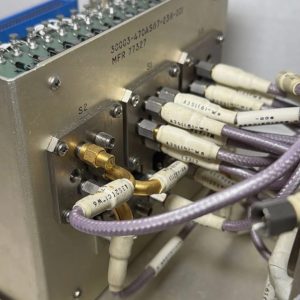
The Aviation check here Switching Module – NSN 4920-01-250-2696 (AS-IS / Untested) may be suitable for bench evaluation, training displays, component research, restoration work, parts harvesting, or inventory replacement after exact application verification.
An Aircraft Switching Module and Aerospace Switching Module should be treated as specialized equipment rather than universal components that can be connected to any aircraft electrical system.
Every Aircraft Power Switching Module or Aircraft Signal Switching Module should be assessed individually because connectors, voltage, current, control logic, and system compatibility can vary significantly.
The Aviation Control Module may be associated with a larger Aircraft Electronic Switching System, while the Aerospace Switching Unit and Aircraft Electrical Module should be inspected before connection or installation.
Identifying the Aerospace Switching Unit
The seller should provide clear photographs of every label, marking, connector, switch, control, mounting point, enclosure surface, and included accessory.
The exact manufacturer, model number, electrical specifications, switching functions, and associated equipment should be confirmed through reliable technical references whenever available.
Evaluating Surplus Aircraft Electronics
AS-IS and untested means the module is offered without confirmation that it powers on, switches circuits, communicates with associated equipment, meets specifications, or performs its original function.
Professional evaluation protects the module, technician, test equipment, and any associated aerospace system.
Aviation Switching Hardware Uses
A module used with maintenance equipment may function differently from one installed onboard an aircraft.
Each visible feature should be photographed and described without assuming its electrical purpose.
Aerospace Switching Module Construction
The module may have been designed for vibration, transportation, storage, maintenance, or aerospace operating environments, but present performance should not be assumed.
Protective caps should remain installed during storage and shipping when available.
Evaluating Aircraft Electrical Components
A burnt odor, melted material, soot, or arcing marks should be disclosed clearly.
The module should not be modified simply to produce a temporary power-on result.
Choosing an Aviation Electrical Control Module
The exact interface must be established through diagrams, manuals, connector data, or verified system information.
Aggressive solvents, scraping, repainting, or polishing may remove original information.
Aircraft Power Switching Module Considerations
A switch that moves normally may still contain burned, corroded, welded, or high-resistance electrical contacts.
Accurate reporting protects buyers seeking an Aircraft Power Switching Module for repair, parts, or research.
Aerospace Module Troubleshooting
An Aerospace Electrical Control Unit may combine switching, control, indication, interface, or distribution functions within one enclosed assembly.
Detailed records support the long-term value of the Aerospace Electrical Control Unit.
Signal Switching Module Inspection
An Aircraft Signal Switching Module may route low-level, control, communication, measurement, or test signals between compatible equipment channels.
Original cable assemblies may add significant value when included.
Professional Aviation Module Evaluation
A module removed from its original system can be difficult to test without supporting equipment and documentation.
Every marking should be recorded before purchase or installation planning.
Aircraft Test and Support Equipment
A complete but untested unit may have different value from an incomplete component known to contain damage.
Responsible educational use can extend the value of the Aircraft Switching Unit.
Aircraft Electrical Distribution Hardware
A module should not be loaded electrically until contact condition, insulation, wiring, and circuit configuration are understood.
The original installation orientation should be researched where possible.
Control Unit Connector and Switch Review
Documented condition improves confidence among buyers of legacy Aircraft Electrical Control Unit equipment.
Testing results should identify exactly which switches, contacts, indicators, or circuits were evaluated.
Choosing an Aviation Power Control Module
Responsible product information protects buyers seeking an Aviation Power Control Module.
Technicians should inspect for capacitors, transformers, relays, damaged insulation, or hazardous residues before opening or testing the unit.
Aviation Switching System Troubleshooting
An Aircraft Electronic Switching System may consist of multiple modules, harnesses, control panels, relays, indicators, power sources, and associated equipment.
Intermittent switching problems can result from worn contacts, damaged connectors, corrosion, weak relays, cracked solder joints, unstable power, or harness faults.
Long-Term Storage of Aircraft Electronics
Desiccant or moisture-control materials should not contact electrical components directly unless appropriate.
Insured and trackable transportation supports responsible sales of specialized aviation hardware.
Commercial Inspection of an Electrical Module
The potential cost of connectors, manuals, test equipment, repairs, components, and specialist labor should be included in the buying decision.
Transparent disclosure strengthens trust in an Aircraft Electrical Module transaction.
Evaluating an AS-IS Aircraft Switching Unit
The seller should disclose corrosion, missing parts, broken controls, damaged connectors, previous repairs, opened seals, burned areas, contamination, and signs of impact.
- Confirm that the identification plate shows NSN 4920-01-250-2696 and record every manufacturer number, serial number, contract marking, revision, and modification label.
- Inspect switches, knobs, indicators, connectors, pins, wiring, and terminals for damage, looseness, contamination, overheating, or unauthorized repair.
- Retain purchase records, photographs, labels, research, testing notes, and repair documentation with the module.
Evaluating an Untested Electrical Module
Testing should begin with identification research, visual inspection, connector mapping, safety review, and examination of available technical documentation.
The test should stop immediately if overheating, smoke, arcing, excessive current, unstable operation, or unusual odor occurs.
Aerospace Module Component Replacement
Temporary substitutions should not become undocumented permanent repairs.
The final product status should describe only the functions that were evaluated successfully.
Selecting a Surplus Aerospace Switching Unit
The Aviation Switching Module – NSN 4920-01-250-2696 (AS-IS / Untested) may suit aviation workshops, military-surplus collectors, aerospace technicians, educational programs, equipment restorers, and specialist parts buyers.
Buyers should request detailed photographs, accurate AS-IS disclosures, technical research, secure transaction terms, protective shipping, and qualified evaluation where appropriate.
Whether the requirement is an Aircraft Switching Module, Aerospace Switching Module, Aircraft Electrical Switching Module, or Aviation Electrical Control Module, exact identification should guide the purchase.
With verified identity, careful inspection, protected storage, safe bench procedures, organized documentation, and qualified technical review, the module can provide lasting specialist value.
Report this page